
Restaurant Loyalty Program: A Smart Investment for Customer Loyalty

What Is a Restaurant Loyalty Program?
A restaurant loyalty program is a structured system that rewards customers whenever they make transactions or engage with a restaurant such as collecting points, receiving discounts, or accessing exclusive menu items as a reward for their loyalty.
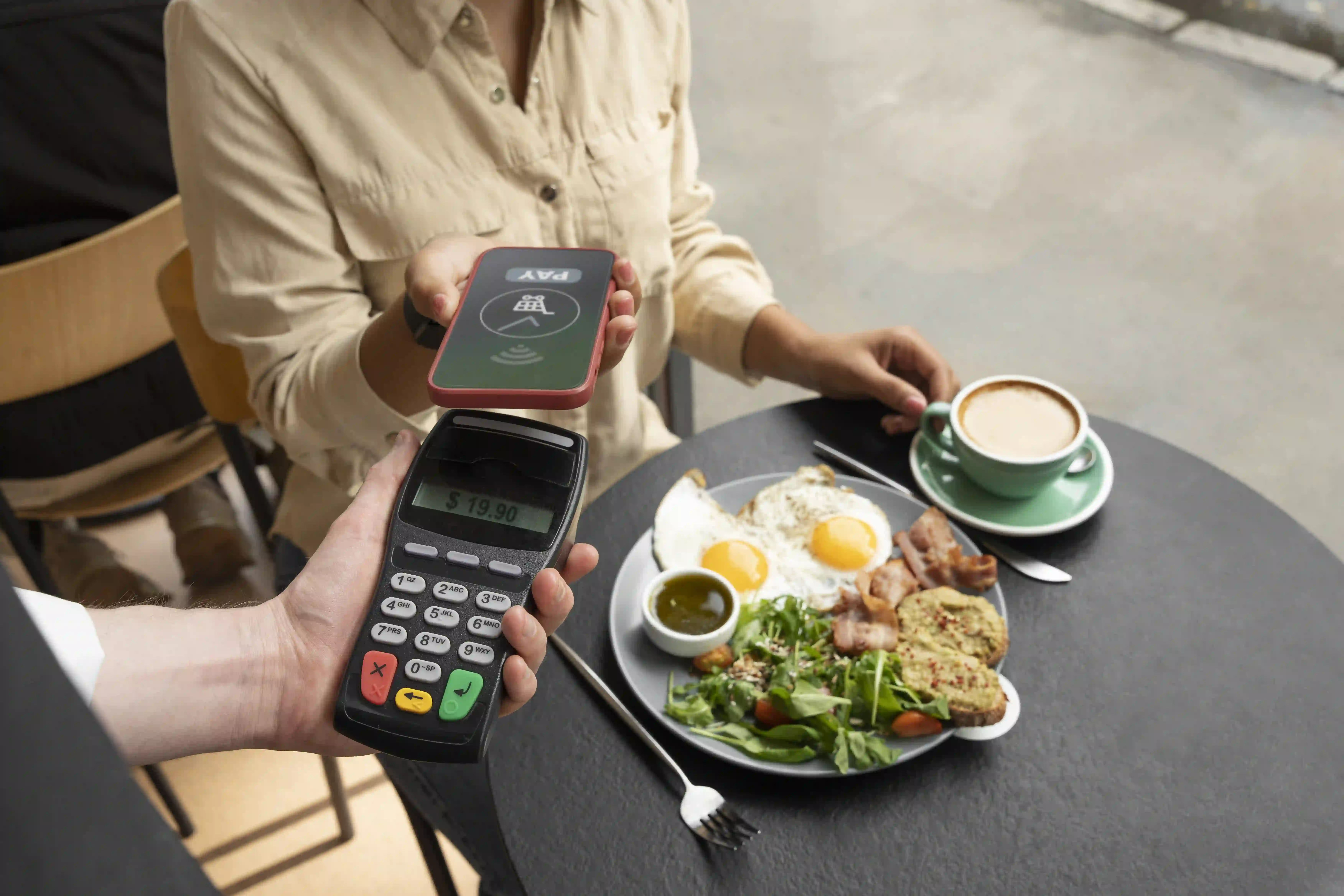
A restaurant loyalty program is a transaction- or engagement-based reward mechanism designed to improve customer retention, average order value, visit frequency, and customer lifetime value in the food & beverage industry. These programs can take the form of point systems, membership tiers, subscriptions, or punch cards whether physical or digital.
Strategically, a loyalty program is more than just a “stamp card.” It is an ecosystem of customer data, marketing automation, and customer relationship management (CRM) designed to maximize customer lifetime value (CLV).
Loyalty programs help restaurants stand out from competitors not only through pricing or menu offerings, but through emotional experiences and making customers feel valued.
Restaurant loyalty programs can come in many forms, such as:
- Point systems
- Cashback
- Digital stamp cards
- Exclusive memberships
- Member-only discounts
- Free menu items after a certain number of purchases
- Birthday rewards
- Referral programs
Today, loyalty programs are no longer limited to physical cards. Many restaurants are shifting to digital systems integrated with CRM platforms and customer apps. With customer data stored automatically, restaurants can deliver more personalized and relevant promotions.
Why Do Restaurants Need Loyalty Programs?
The restaurant industry is highly competitive and operates on thin margins. In this environment, retaining existing customers is far more profitable than constantly acquiring new ones.
5–7× more expensive to acquire a new customer than retain an existing one | 60–70% chance of converting sales from existing customers | +23% average revenue increase from customers engaged in loyalty programs |
82% of consumers prefer brands that offer loyalty programs | +67% higher average spending from loyalty members vs non-members in the F&B industry | 3× more likely for loyal customers to recommend a restaurant to others |
Beyond the numbers, loyalty programs also create a highly valuable data asset: you learn who your customers are, when they visit, what they order, and how often they return. This data becomes the foundation for smarter business decisions.
Types of Loyalty Programs for Restaurants
Each loyalty model has different advantages and use cases. Choose the one that best fits your restaurant’s business scale, target market, and operational capabilities.
Point System
Customers earn points from every transaction that can be redeemed for rewards. Flexible and easy to understand. Suitable for restaurants of all sizes.
Punch Card / Stamp Card
Customers receive a stamp for each visit. After a certain number of visits, they receive a reward. Ideal for cafés, bakeries, or trendy beverage brands.
Tiered Membership
Customers move up levels with increasingly exclusive benefits. Creates aspiration and competition. Suitable for mid-premium and premium restaurants.
Subscription / Membership
Customers pay a recurring fee for ongoing benefits. Creates recurring revenue and stronger customer commitment.
Referral Program
Rewards customers for inviting friends. Effective for low-cost customer acquisition.
Surprise & Delight
Unexpected rewards based on milestones (birthdays, 100th visit, etc.). Builds a strong emotional connection.
Cashback
A percentage of transactions is returned as store credit for future purchases. Easy to understand and highly tangible for customers.
Gamification
Challenges, badges, and leaderboards. Perfect for younger audiences (Gen Z & Millennials) who enjoy game-like shopping experiences.
Many successful restaurants combine several models at once, for example, using a point system as the foundation, combined with membership tiers and referral programs to expand the customer base.
Customer Segmentation & Personalization in Loyalty Programs
One of the biggest mistakes inloyalty programs is treating all members the same. Personalization is the key to maximizing program effectiveness and loyalty program data is the fuel behind it.
RFM Segmentation: The Core Framework
RFM (Recency, Frequency, Monetary) is one of the most commonly used customer segmentation models in the Food & Beverage industry.
- Recency : When was the customer’s last visit?
- Frequency : How often do they visit within a certain period?
- Monetary : How much do they spend in total?
Based on RFM, you can identify customer segments and tailor communication and rewards accordingly:
Champions R high - F high - M high | Strategy: Offer exclusive access, early access to new menus, and invitations to special events. Turn them into brand ambassadors. |
Loyal Customers F high - M med | Strategy: Encourage them to move to higher tiers. Offer upsell rewards for larger orders. |
At-Risk R low - F previously high | Strategy: Send win-back campaigns. “We miss you — enjoy 2× points this week!” |
New Members R high - F low | Strategy: Create onboarding sequences. Show them how to earn points, provide welcome bonuses, and encourage a second visit within 14 days. |
Hibernating R very low | Strategy: Run last-chance campaigns. “Your points are about to expire — redeem them now!” If they remain inactive, remove them from the active list. |
How to Build a Restaurant Loyalty Program from Scratch
Here’s an 8-step framework for building an effective and sustainable loyalty program from concept to launch:
Set Measurable Goals (SMART)
Example: “Increase average monthly visit frequency from 1.8× to 2.5× within 6 months.”
Clear goals determine the right reward structure.
Analyze Existing Customer Data
Review POS data: top customers, peak hours, best-selling menus, average transaction value, and time between visits. This establishes the baseline before launching the program.
Define a Healthy Reward Budget
A common rule: allocate 3–8% of projected incremental revenue (not total revenue) to reward costs. Ensure rewards are attractive without hurting margins.
Choose the Right Reward Structure
Match rewards with the behavior you want to encourage.
Want more frequent visits? Reward every visit.
Want higher transaction values? Offer bonus rewards for purchases above a certain amount.
Design a Frictionless Registration Experience
Use phone numbers as IDs, QR codes on tables for self-registration, or proactive cashiers encouraging sign-ups. Every extra step in the sign-up process can reduce conversions by 20–30%.
Choose & Integrate Technology
POS integration is essential. Choose a platform that syncs transaction data in real time to eliminate manual processes for staff.
Train the Operational Team
Your staff are the frontline of the loyalty program. They should understand how to invite customers to join, explain rewards, and handle redemptions quickly.
Launch, Measure, & Iterate
Start with a soft launch for existing customers first. Track key metrics every 30 days. Identify what works and what needs improvement before scaling fully.
Digital vs Physical Loyalty Programs
Both have their place in the F&B industry. The right choice depends on your target market, operational scale, and technology readiness.
Loyalty Program | Advantages | Disadvantages |
| Digital | - Customer data stored automatically - Automated notifications - Real-time analytics - Cannot be lost - Enables high personalization | - Requires customer adoption - Setup & maintenance costs - Internet dependency - Privacy concerns from some customers |
| Physical | - No special technology required - Accessible to all age groups - Low cost - Tangible and satisfying to use | - No customer data - Easy to lose - Risk of fraud - No personalization or automation |
Recommendation for new restaurants: Start with a physical loyalty system as a quick win while gradually building digital infrastructure for transition within 6–12 months.
Restaurant Loyalty Program Trends 2025–2026
The loyalty program industry continues to evolve. Here are the trends reshaping how restaurants build relationships with customers:
AI-Powered Personalization
Modern loyalty programs no longer send the same communication to everyone. AI analyzes purchase history to predict when customers will return, what menu items they’re likely to order, and which rewards are most effective for driving visits — on an individual level.
Loyalty-as-a-Subscription (LaaS)
Subscription models are becoming increasingly popular in restaurants. Customers pay Rp50,000–200,000 per month for recurring benefits such as daily discounts, free delivery, or exclusive menu items. This creates predictable recurring revenue while boosting engagement.
Coalition Loyalty Programs
Multiple restaurants join the same loyalty ecosystem, allowing customers to earn points at Restaurant A and redeem them at Restaurant B. This expands the value proposition without significantly increasing costs.
ESG & Cause-Based Loyalty
Younger consumers are increasingly interested in programs that connect rewards with social impact. Examples include:
“For every 100 points you collect, we plant one tree,” or donations to local communities. This builds loyalty based on shared values, not just transactions.
Hyper-Local Loyalty
Independent restaurants are leveraging the strength of local communities through location-based rewards, collaborations with nearby businesses, and exclusive events for loyal community members.
It’s time to upgrade your restaurant brand with a loyalty program. Connect with the Stamps team to boost sales and discover the best loyalty solution for your business!
