
Tips to Optimize a Loyalty Platform for Your Brand

In today’s increasingly competitive business landscape, retaining customers has become a major challenge for many companies. Offering high-quality products alone is no longer enough—businesses also need to build long-term relationships with their customers. One strategy that is increasingly being used is leveraging a loyalty platform.
A loyalty platform helps companies manage customer loyalty programs in a more structured, measurable, and personalized way. Through this system, businesses can provide various types of rewards to loyal customers, encouraging them to continue interacting with the brand and making purchases.
This article will discuss in detail the definition of a loyalty platform, its benefits for businesses, key features, and examples of its implementation.
What is a Loyalty Platform?
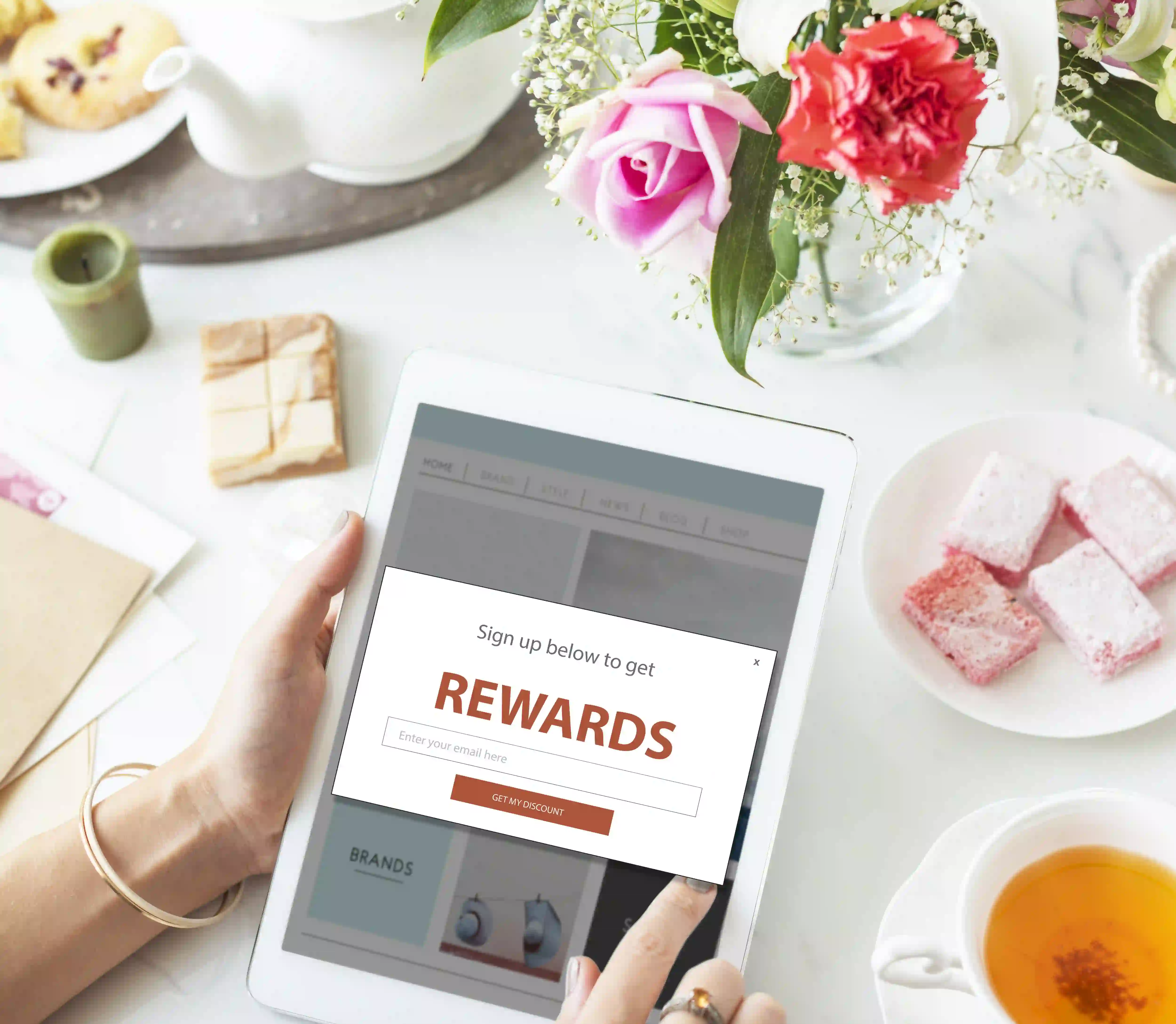
A loyalty platform is a system or technology used by companies to manage customer loyalty programs digitally. This platform allows businesses to offer rewards, points, vouchers, or special benefits to customers based on their activities, such as purchases, interactions, or engagement with the brand.
Through a loyalty platform, companies can collect customer data, understand consumer behavior, and create more personalized experiences. This ultimately strengthens the relationship between the brand and its customers.
Unlike traditional loyalty programs such as stamp cards or physical coupons, digital loyalty platforms enable more efficient, automated, and integrated management across various channels, including websites, mobile applications, and social media.
Why Loyalty Platforms Are Important for Businesses
In the digital era, customers have more choices than ever before. If a brand fails to provide a compelling experience, customers can easily switch to competitors.
Loyalty platforms provide an important solution by helping companies build stronger relationships with their customers. A well-managed loyalty program can increase customer satisfaction while strengthening brand engagement.
Some key reasons why loyalty platforms are important for businesses include:
- Increasing customer retention
- Encouraging repeat purchases
- Increasing customer transaction value
- Creating emotional connections with the brand
- Helping collect customer data for marketing strategies
By utilizing a loyalty platform, companies can transform regular customers into loyal customers who keep coming back.
How a Loyalty Platform Works
In general, a loyalty platform works by connecting customer activities with a reward system. Each time customers interact with a brand, the system records the activity and provides certain benefits.
Some customer activities commonly tracked in a loyalty platform include:
- Purchasing products
- Signing up as a member
- Participating in marketing campaigns
- Writing product reviews
- Sharing content on social media
- Referring friends to join
Once these activities are recorded, customers receive rewards in various forms such as points, vouchers, discounts, or exclusive benefits.
This system makes customers feel valued, motivating them to continue engaging with the brand.
Benefits of a Loyalty Platform for Businesses
1. Increasing Customer Retention
One of the main benefits of a loyalty platform is improving customer retention. Loyalty programs provide incentives for customers to continue choosing the same brand.
When customers receive rewards for their transactions, they feel appreciated and are more likely to return for future purchases.
2. Encouraging Repeat Purchases
Loyalty programs are often designed to offer points or additional benefits when customers make repeat transactions. This motivates customers to continue purchasing in order to earn larger rewards.
This strategy has proven effective in increasing purchase frequency.
3. Collecting Customer Data
A loyalty platform enables businesses to gather detailed customer data, such as:
- Purchase history
- Product preferences
- Shopping habits
- Brand interactions
This data is highly valuable for helping companies better understand their customers and develop more targeted marketing strategies.
4. Increasing Customer Engagement
Beyond transactions, loyalty platforms can also provide rewards for other activities such as:
- Participating in campaigns
- Writing reviews
- Sharing content on social media
- Inviting friends to join
This approach encourages customers to interact more actively with the brand.
5. Strengthening Brand Loyalty
When customers feel they benefit from a loyalty program, they develop a stronger emotional connection with the brand. This not only increases sales but also encourages customers to recommend the brand to others.
Key Features of a Loyalty Platform
Loyalty platforms typically include various features that help businesses manage loyalty programs effectively.
-
Points System
The points system is one of the most common features in loyalty programs. Customers earn points each time they make a transaction.
These points can then be redeemed for rewards such as:
- Discounts
- Shopping vouchers
- Product gifts
- Exclusive access
-
Membership Tiers
Many loyalty platforms offer membership tier systems such as:
- Silver
- Gold
- Platinum
The higher the membership level, the more benefits customers receive. This system encourages customers to increase their status through continued engagement.
-
Reward Management
This feature allows companies to manage different types of rewards offered to customers.
Rewards may include:
- Discount vouchers
- Cashback
- Free products
- Exclusive experiences
-
Customer Data & Analytics
Loyalty platforms are typically equipped with analytics dashboards that help companies analyze customer data.
Through these features, businesses can track:
- Purchase patterns
- Loyalty program performance
- Customer participation levels
This data is crucial for optimizing marketing strategies.
-
Omnichannel Integration
Modern loyalty platforms can integrate with multiple channels such as:
- E-commerce platforms
- Mobile applications
- Physical stores
- POS systems
- Social media
This integration ensures customers can enjoy the loyalty program across different touchpoints.
Types of Loyalty Programs
Loyalty platforms usually support various types of loyalty programs that can be tailored to business needs.
-
Points-Based Loyalty Program
This program rewards customers with points for each transaction. Points can later be accumulated and redeemed for rewards.
-
Tiered Loyalty Program
This program uses membership levels. The more frequently customers transact, the higher their membership level becomes.
-
Cashback Program
Customers receive a portion of their transaction value back as cashback that can be used for future purchases.
-
Referral Program
This program rewards customers who successfully invite others to join or make purchases.
-
Gamified Loyalty Program
Some loyalty platforms also incorporate gamification elements such as:
- Challenges
- Badges
- Leaderboards
These elements make the customer experience more fun and interactive.
Examples of Loyalty Platform Implementation
Many companies across various industries have adopted loyalty platforms, including:
- Retail fashion brands
- E-commerce platforms
- Restaurants and cafes
- Airlines
- Digital applications
For example, a retail brand may award points for every product purchase. Once customers accumulate enough points, they can redeem them for vouchers or special discounts.
Another example is a membership program that provides early access to new collections or exclusive promotions for loyal customers.
Tips to Optimize a Loyalty Platform
To maximize the effectiveness of a loyalty platform, businesses can apply several strategies:
- Offer rewards that are relevant to customer needs
- Use customer data to personalize programs
- Provide exclusive benefits for members
- Integrate loyalty programs across multiple channels
- Regularly evaluate program performance
With the right strategy, a loyalty platform can become a powerful marketing tool.
A loyalty platform is a modern solution that helps companies build long-term relationships with their customers. By leveraging this technology, businesses can manage loyalty programs more effectively, increase customer retention, and create more personalized experiences.
In an increasingly competitive market, a loyalty platform is not only a tool for rewarding customers but also a strategic solution for building sustainable brand loyalty. Discover the best solution for your brand with the Stamps team!
