
Loyalty Program App: Why Retention Costs Less Than Acquisition

A loyalty program app is an application designed to record, reward, and strengthen relationships with loyal customers, usually through points, membership tiers, or rewards. For business owners, this application is not merely a "digital stamp card" but a retention engine that keeps customers coming back while supplying valuable behavioural data. This article explores in depth the definition, how it works, the types, the features, the business benefits, real examples in Indonesia, a comparison of tools, and how to choose the right platform.
What Is a Loyalty Program App?
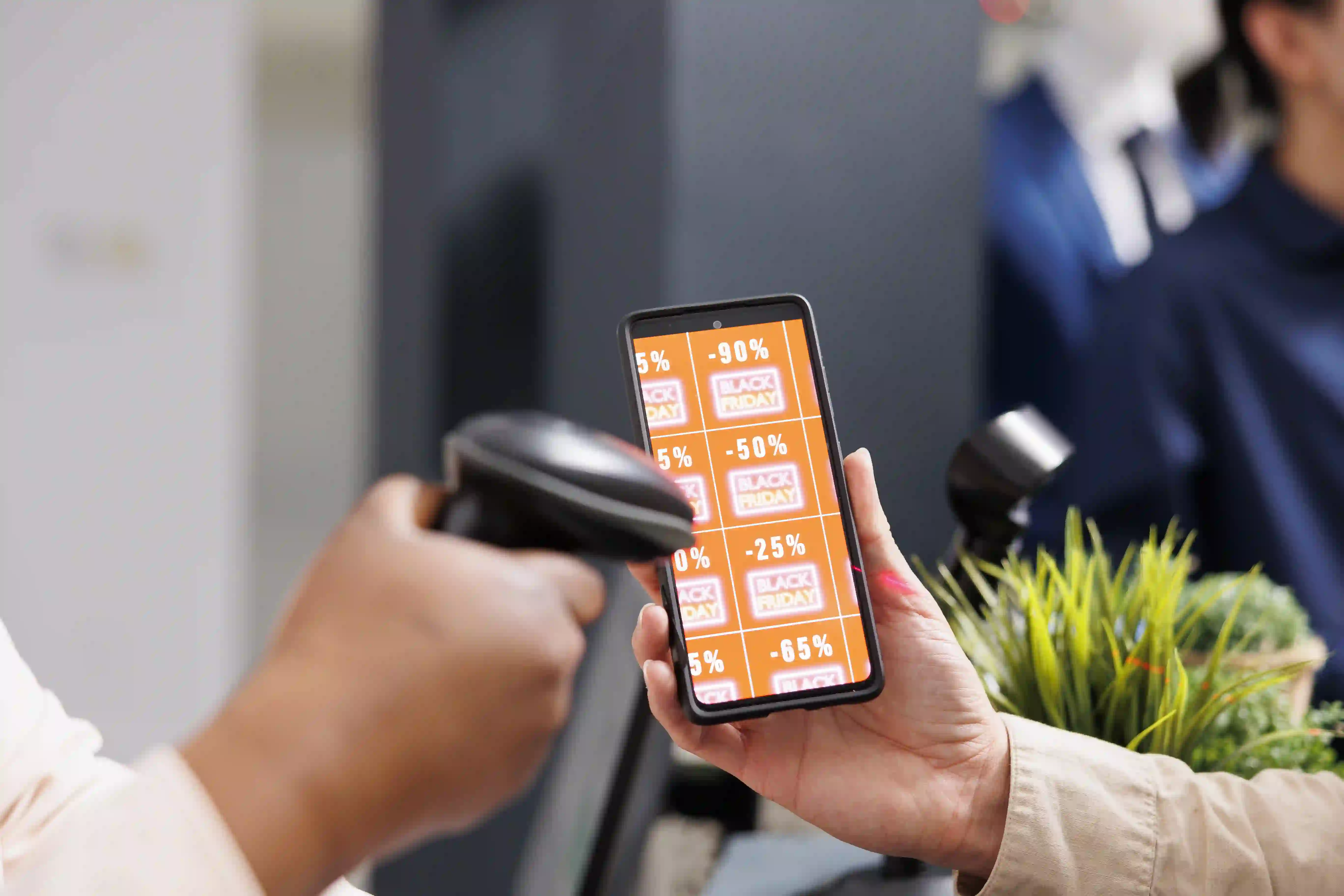
A loyalty program app is software, typically mobile based or integrated with a point of sale (POS) system, that manages customer loyalty programs automatically and measurably. The application records transactions, accumulates points, determines membership status, and distributes rewards without the need for manual record keeping.
Put simply, whereas customers once collected stamps on a flimsy card that was easily lost, everything is now stored neatly on their phones. The difference is that this digital version also "remembers" who your customers are, what they buy, and when they are likely to return.
Why does this matter to decision makers? Because the cost of attracting new customers is now far higher. Various industry studies show that customer acquisition costs have risen by nearly 60 per cent over the past five years, while retaining existing customers can be five to twenty five times cheaper than acquiring new ones. A loyalty program appsits precisely at that point of saving.
How a Loyalty Program App Works
On the surface, the flow feels seamless to the customer: make a transaction, earn points, redeem rewards. Behind the scenes, however, several layers are at work:
- Customer identification. Each customer is recognised through a phone number, email, QR code, or app account.
- Transaction recording.Every purchase is linked to a customer profile, usually through integration with the cashier system.
- Value accumulation. Points, cashback, or progress towards the next tier are calculated automatically based on the rules you set.
- Reward redemption. Customers exchange points for discounts, free products, or exclusive access.
- Data analysis. This is the part that is often overlooked. Every interaction becomes data that you can process to understand purchasing patterns and design offers that are better targeted.
For those at the managerial level, it is this final layer that transforms aloyalty program from a "promotional cost" into a "strategic asset".
Types of Loyalty Program App
There is no single model that suits every business. The most common types are as follows:
- Points based programs. The classic model: spend a certain amount and earn a certain number of points. This suits retail and food and beverage businesses with a high purchase frequency.
- Tiered programs. Customers move up levels as their spending grows, for example Silver, Gold, and Platinum. This model has proven effective; tiered structures are reported to generate 1.8 times higher ROI, with VIP members producing an average transaction value 73 per cent greater.
- Paid membership programs. Customers pay to enjoy exclusive benefits, in the style of a premium membership model.
- Value based programs.Rewards are tied to a mission or to the values that customers hold dear, for example donations or sustainability initiatives.
- Gamified programs.Challenges, badges, and missions make the experience feel like a game, and this has a real impact, as gamified loyalty programs extend customer lifetime value by up to 22 per cent.
Core Features Every Platform Must Have
When evaluating a platform, pay attention to the following core features:
- POS and omnichannel integration, so that the customer experience remains consistent both in physical stores and online.
- Flexible point and tier management that is easy to configure without the help of a technical team.
- Push notifications and automated campaigns, a crucial feature given that loyalty apps improve retention by up to 37 per cent through push notifications.
- Customer segmentation, to differentiate the treatment of new, loyal, and at risk customers.
- An analytics dashboard, serving as a window for management to monitor performance in real time.
- Offer personalisation, which is now a standard rather than an added value.
Why Your Business Needs a Loyalty Program App
For the board of directors and management, investment decisions always come back to the impact on the bottom line. Here is what industry data shows:
- Higher Revenue
Loyal customers spend 67 per cent more than new customers, and loyalty members generate 12 to 18 per cent more incremental revenue per year than non members.
- Proven ROI
Ninety per cent of companies report a positive return on investment from their loyalty programs, with average returns of 4.8 to 5.2 times the investment.
- Profitable Retention
Increasing customer retention by just 5 per cent can boost profits by between 25 and 95 per cent.
- Greater Customer Tolerance
Sixty two per cent of loyalty program members forgive service issues because of the rewards on offer, a reputational cushion that is difficult to buy with advertising.
Examples of Use in Indonesia
The adoption of loyalty program apps is already common across various sectors in Indonesia. Some typical patterns include:
- Restaurants and cafés. Food and beverage chains use apps to encourage repeat visits through points that can be exchanged for free menu items. The effect is tangible, given that fast food loyalty apps generate per visit spending that is 29 per cent higher.
- Fashion retail. Clothing brands use membership tiers to grant early access to new collections or exclusive discounts to VIP customers.
- Pharmacy and health. Points programs encourage repeat purchases of routine essential products.
- Bakeries and supermarkets. Programs based on basket size encourage customers to add to their shopping, in line with the finding that supermarket loyalty programs drive basket size growth of up to 23 per cent.
A number of major brands in Indonesia, from food and beverage chains to well known retailers, have relied on local CRM and loyalty platforms to manage millions of their members, proving that this solution has already matured in the domestic market.
Tips for Choosing the Right Loyalty Program App
Before signing a contract, consider the following points:
- Start with business goals, not features. Do you want to increase visit frequency, transaction value, or reduce churn? Your goal determines the program model.
- Ensure seamless integration with the cashier system and sales channels you already use.
- Examine the analytical capabilities. A program without data is merely a cost centre. Make sure you can measure its impact.
- Calculate the total cost of ownership, including implementation, subscription, and maintenance costs, not just the initial price.
- Test the support and data security. Customer trust is fragile; 93 per cent of consumers say they would lose trust in a brand that mishandles their personal data.
Trends Worth Watching
The loyalty landscape moves quickly, and the market reflects this. The value of the loyalty management market reached 16.44 billion US dollars in 2026 and is projected to grow to 32.52 billion US dollars by 2031, at a CAGR of 14.62 per cent. Several key trends stand out:
- AI driven personalisation is becoming a differentiator, turning mass offers into individual recommendations.
- A shift towards first party data, as privacy regulations tighten, making loyalty programs a legitimate and valuable source of data.
- Massive mobile adoption. Eighty per cent of customers are willing to download a brand's mobile app for a loyalty program.
- Omnichannel experiences, because customers who use multiple channels show a purchase frequency that is 250 per cent higher than that of single channel customers.
A loyalty program app is no longer an accessory but a retention infrastructure that delivers a double benefit: keeping customers coming back while supplying data for sharper business decisions. Amid acquisition costs that keep swelling and a market growing at double digits every year, the question is no longer whether your business needs one, but which platform best fits your goals, scale, and market context. Start with your business goals, measure the impact with data, and choose a partner that understands your customers as well as you do.
