
Loyalty Points: How to Improve Customer Retention and Loyalty

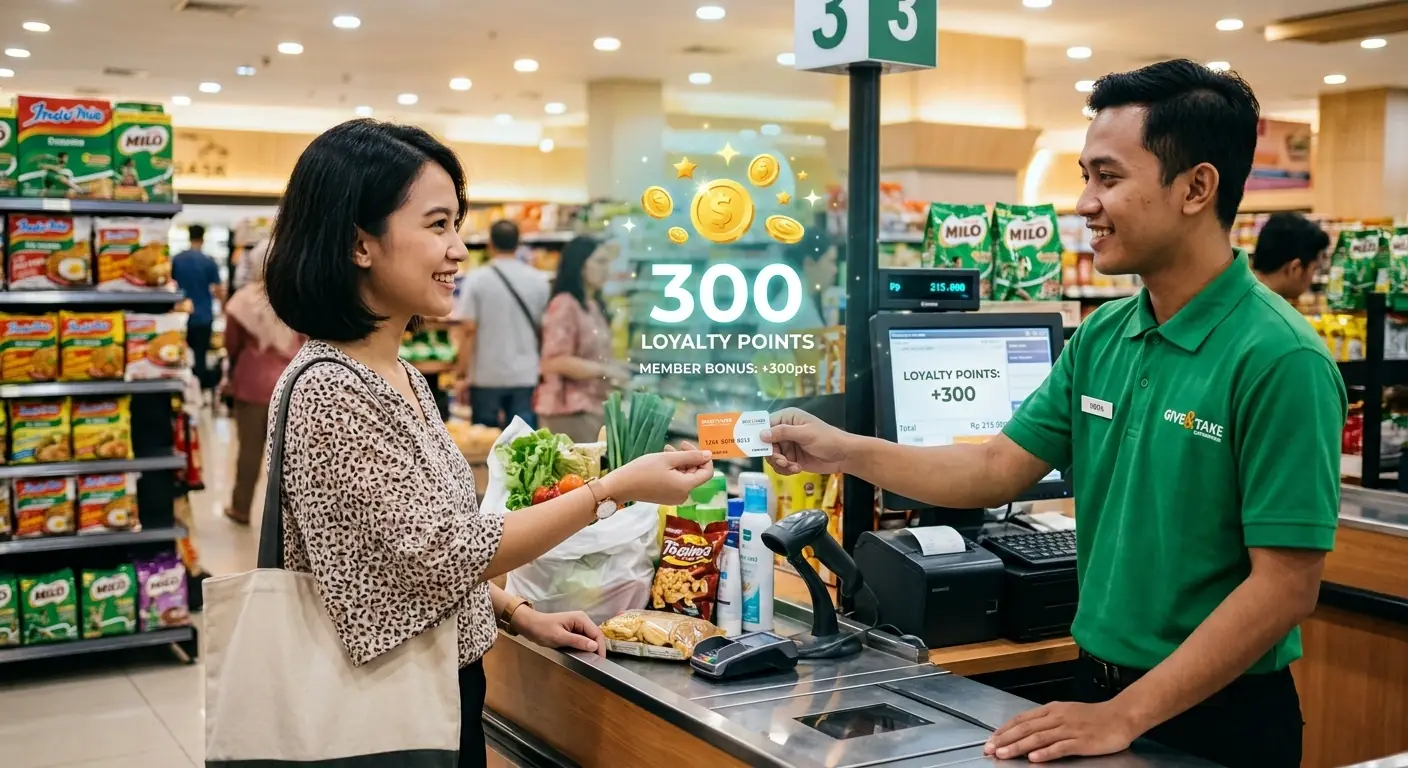
Retaining existing customers is an important strategy for driving business growth. Rather than constantly acquiring new customers, businesses can improve profitability by building long-term relationships with their existing customer base. One effective approach is implementing a loyalty points program as part of a broader customer retention strategy.
Through this program, businesses can reward customers for every transaction while encouraging them to shop again.
What Are Loyalty Points?
Loyalty points are a reward system that allows customers to earn points through purchases or specific activities and redeem them for various benefits. These rewards may include discounts, vouchers, free products, or exclusive offers.
This approach benefits both customers and businesses. Customers receive additional value from their purchases, while businesses gain more opportunities to increase purchase frequency and strengthen customer loyalty.
Benefits of Loyalty Programs for Businesses
Implementing the right rewards program can help businesses achieve several important goals.
1. Increase Repeat Purchases
Customers have a stronger incentive to return when they receive benefits from their transactions. Accumulated points can also motivate them to make additional purchases so they can redeem available rewards.
2. Improve Customer Retention
Loyalty programs help businesses maintain customer relationships beyond the first transaction. By offering relevant rewards, businesses can increase customer engagement and reduce the likelihood of customers switching to competitors.
3. Understand Customer Behavior
Transaction records and reward redemption activity provide valuable insights into customer preferences, shopping frequency, and popular products. Businesses can use this information to create more personalized promotions and improve marketing campaign effectiveness.
4. Increase Average Transaction Value
Businesses can design reward mechanisms that encourage customers to reach a specific spending threshold. For example, customers may earn bonus points when their purchases exceed a predetermined amount. This strategy can potentially increase average order value without relying solely on direct discounts.
How to Optimize a Loyalty Points Program
To ensure a program performs effectively, businesses should establish clear and easy-to-understand rules for earning and redeeming points. Rewards should also be relevant to customer needs and offer meaningful value.
Additionally, businesses can use customer data to deliver promotions based on purchase history. Regularly monitor metrics such as repeat purchase rate, redemption rate, and customer lifetime value to evaluate program performance.
Automation is equally important. It helps ensure points are credited accurately and allows customers to track their rewards more conveniently.
The Role of POS in Managing Loyalty Programs
Managing rewards manually can become challenging, especially for businesses handling high transaction volumes or operating multiple locations. This is where a Point of Sale (POS) system plays an important role.
An integrated POS system can help businesses record transactions, update points balances, and connect purchase data with customer profiles. This integration simplifies reward management while providing a more comprehensive view of customer activity.
For retail and food and beverage (F&B) businesses, a POS system that supports in-store operations also helps physical transactions run smoothly while customer data and rewards programs are managed more systematically.
