
Loyalty Cards Are Becoming a Reason for Customers to Choose the Same Brand Again

Customers do not always return because a business offers the lowest price. In many cases, they come back because something about their previous experience made the purchase worth repeating.
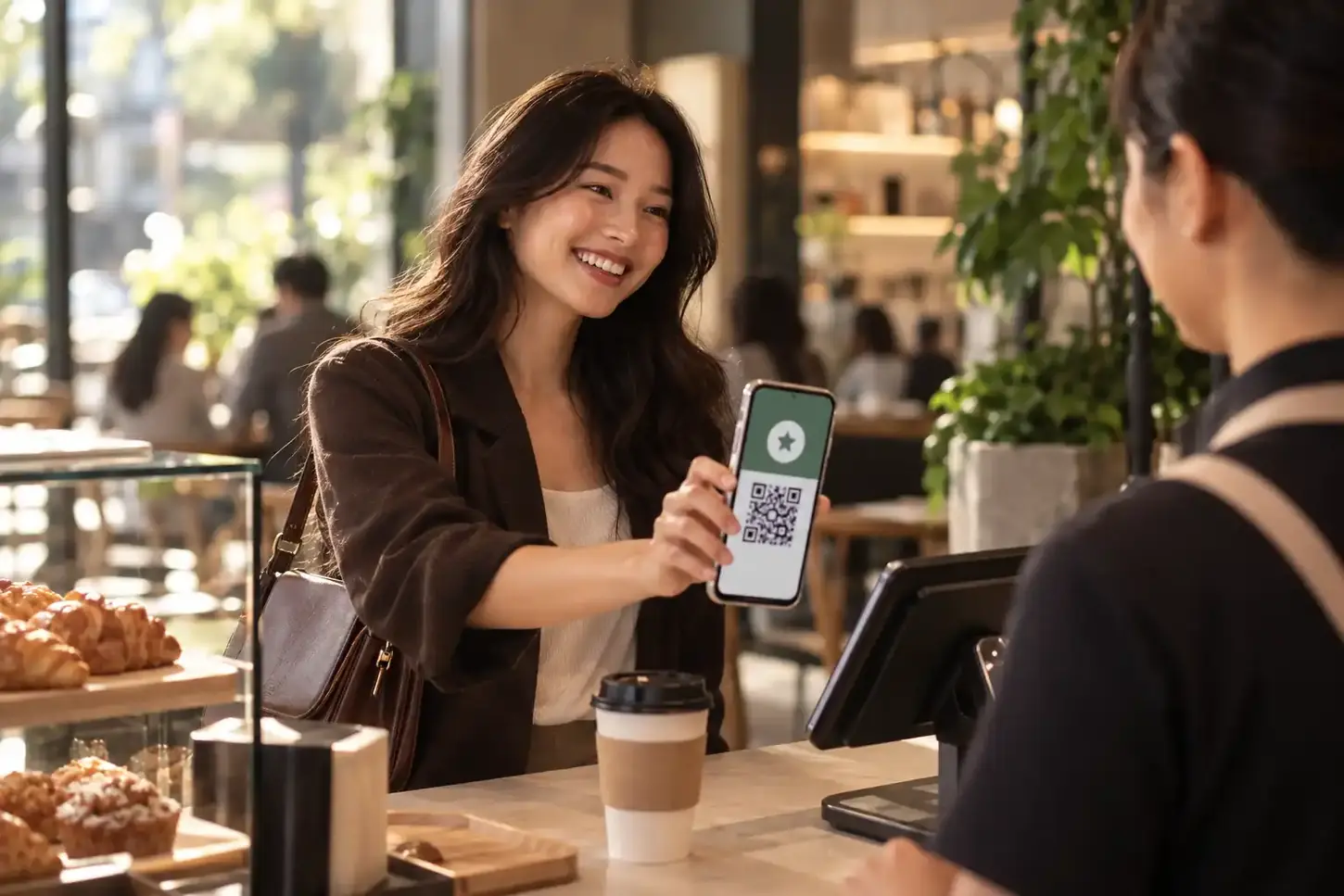
This is whereloyalty cards can play a more significant role. Rather than functioning solely as a way to collect points or receive discounts, they can become part of a customer experience that gives people a reason to return.
This shift matters to businesses. Acquiring new customers requires considerable time, effort, and investment, whereas retaining existing customers allows businesses to build on relationships that have already been established through previous transactions.
Customers Are Already Familiar with Loyalty Programs
Loyalty programs have become increasingly embedded in the shopping experience. An EY study published in 2025 found that 92% of consumers had joined at least one loyalty program, while 41% said they typically preferred to shop with businesses that offered one.
These figures reflect a shift in customer expectations. Loyalty programs have become a familiar part of the customer experience, which means that simply having a loyalty card is no longer enough. A successful program needs to deliver value that feels relevant to customers' everyday purchasing habits.
The trend is also evident in Indonesia. According to PayNXT360, the Indonesian loyalty market is projected to reach US$814.7 million in 2026, representing annual growth of 18.2%.
Read also:Easy Integration Between Omni POS and the Stamps Loyalty Program
Loyalty Cards Need to Deliver Relevant Rewards
Consider the experience from the customer's perspective. If someone regularly buys coffee three times a week, a discount on a product they never purchase may hold little appeal. A benefit that aligns with their actual purchasing habits, however, can provide a much stronger reason to return.
Data from Comarch and the Global Loyalty Organization shows that 51.05% of consumers are highly likely to remain loyal because of the convenience and value provided by loyalty rewards.
This means loyalty cards can serve a purpose beyond simply distributing points. Transaction and customer activity data can help businesses understand purchasing frequency, product preferences, and broader customer behaviour.
These insights can then be used to create more relevant rewards and personalised communications, making the loyalty experience more meaningful to individual customers.
Loyalty Cards Can Play a More Strategic Role
Technology has also changed howloyalty cards can be used. Physical cards can now form part of a digital loyalty ecosystem that connects transactions, customer data, rewards, and communications. With these connections in place, businesses can gain insights that go beyond the number of transactions made.
They can identify their most active customers, understand which products are purchased most frequently, track purchasing frequency, and determine which rewards are most relevant to different customer segments.
Antavo's 2025 report, which analysed 230 million member activities and surveyed 10,000 consumers globally, also highlights the growing emphasis on personalisation in loyalty programs. This makesloyalty cards considerably more strategic than a simple mechanism for offering discounts.
Customers Return When There Is a Relevant Reason
Customer loyalty is built through consistent experiences. Customers receive value when they make a purchase, while businesses gain insights from those interactions. Rewards can make the experience more personal, while customer data helps businesses determine what value to offer next.
This cycle makes loyalty cards increasingly relevant for businesses seeking to drive repeat purchases and strengthen customer retention. When a loyalty program connects customer data, transactions, and relevant rewards, a purchase becomes more than an isolated transaction.
It becomes an opportunity to create the next interaction.
